Note
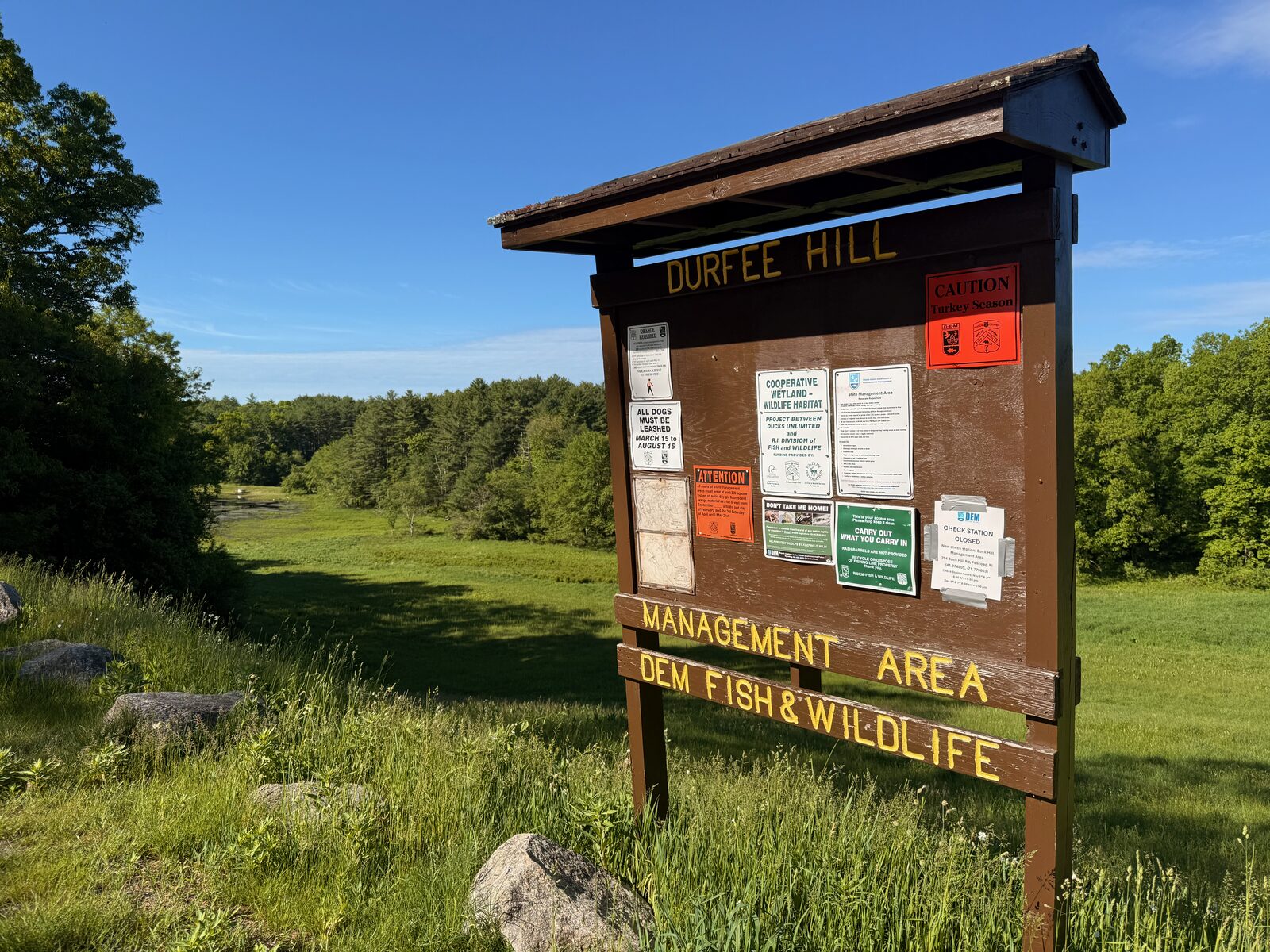
Durfee Hill Wildlife Management Area POTA
First outing with the KX2 at US-7715: a hike up the hill to clear the valley, a first-throw throw-line success, and 19 CW QSOs across 40, 30, and 20 meters.
New to POTA?
POTA — Parks on the Air — an amateur radio program where licensed operators make contacts from designated public lands (national parks, state parks, wildlife refuges, and similar areas). Each location has a reference number. To activate a park, you log at least 10 contacts from within its boundaries. Hunters are operators who contact activators from home.
Contact map
N1RWJ at US-7715
Durfee Hill WMA - 20 QSOs - May 29, 2026
20 QSOs
At a glance
- Where: Durfee Hill Wildlife Management Area, US-7715, hilltop above the main valley, Gloucester, RI
- When: May 29, 2026, 13:12 to 14:16 UTC
- Activation: 19 CW QSOs; 4 on 40 meters, 5 on 30 meters, 10 on 20 meters
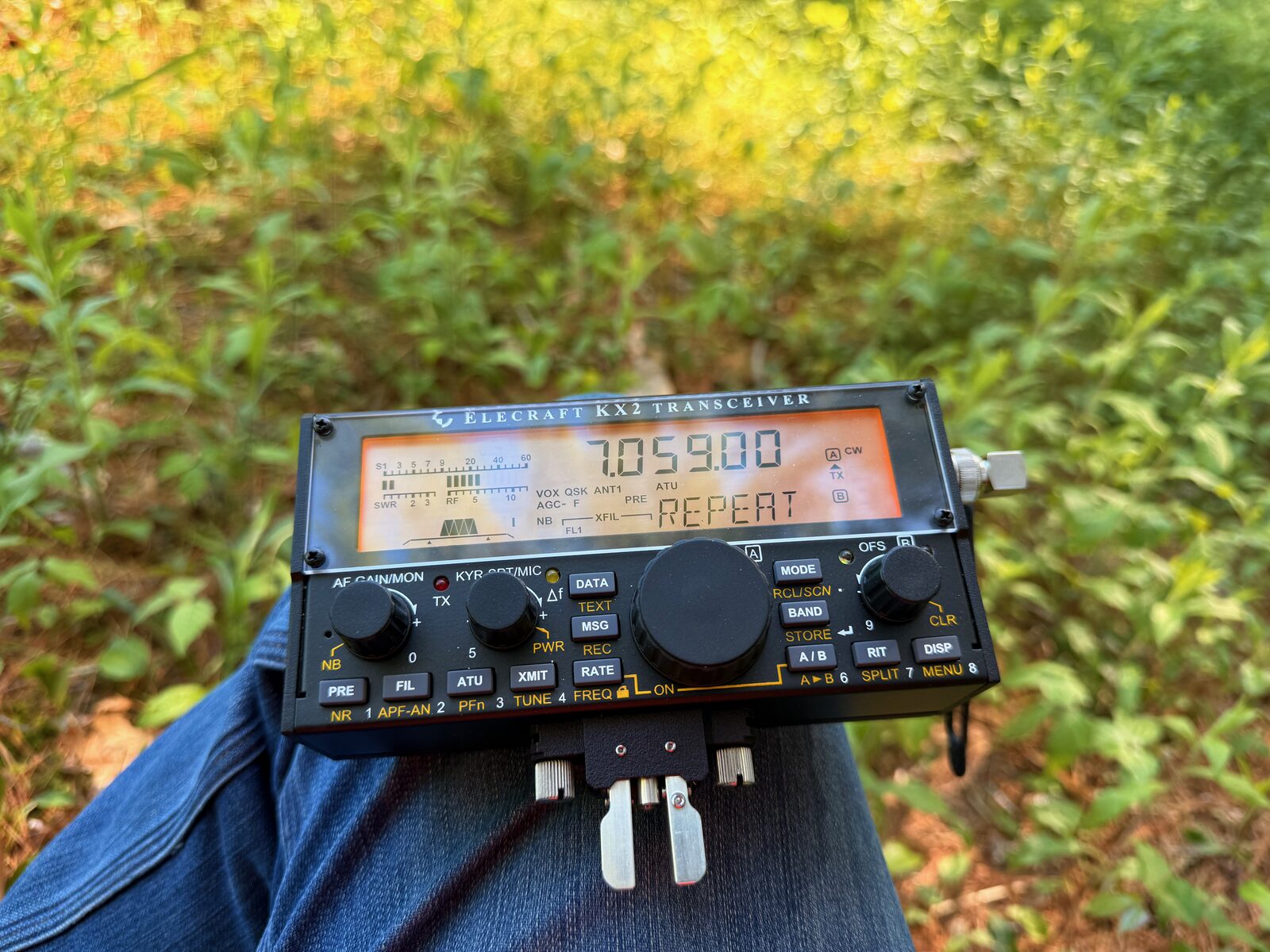
- Radio: Elecraft KX2 (first field outing)
- Antenna: Reliance Antennas wire Rybakov; 25 ft wire supported ~30 ft up in a tree via throw line, four ~17 ft radials, 4:1 unun
- Power: 5 watts, KX2 internal batteries
- CW gear: KX2 built-in paddle
Field notes
Durfee Hill had been on the list for a while, and this morning had everything going for it: 65 degrees, clear sky, no wind to speak of. I also had a new reason to get out — the KX2 arrived yesterday and I wanted to get it in the field as soon as possible.
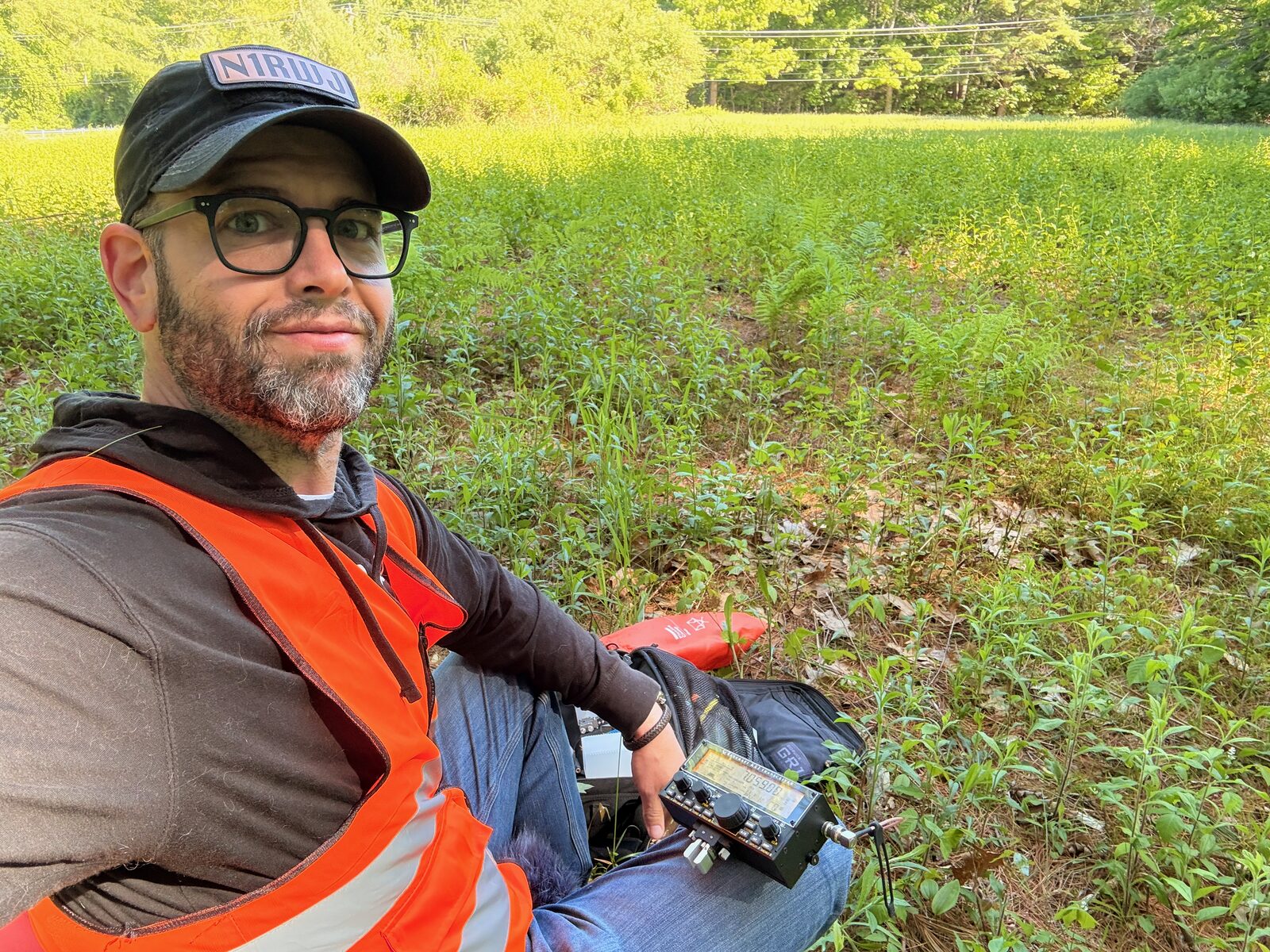
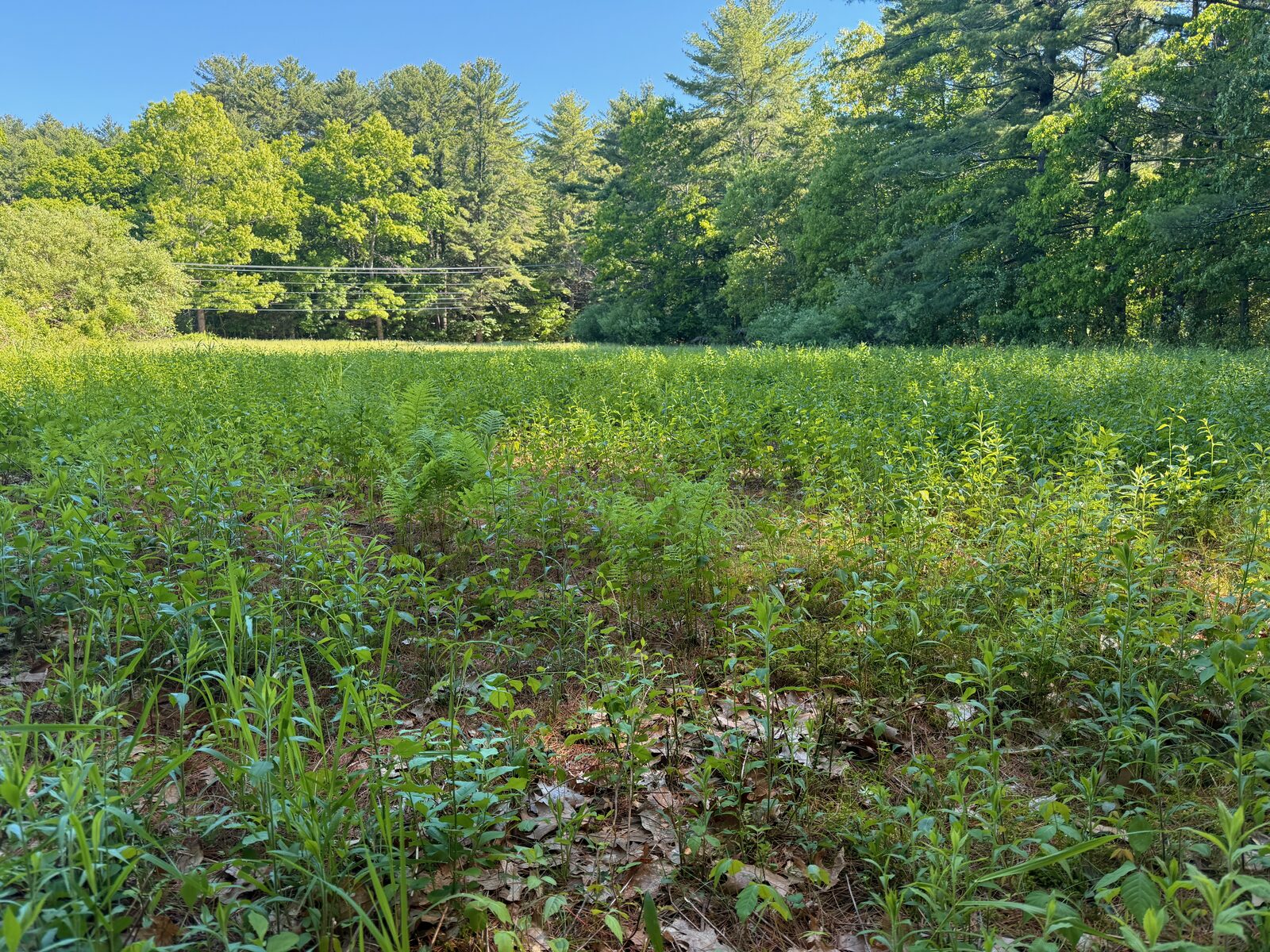
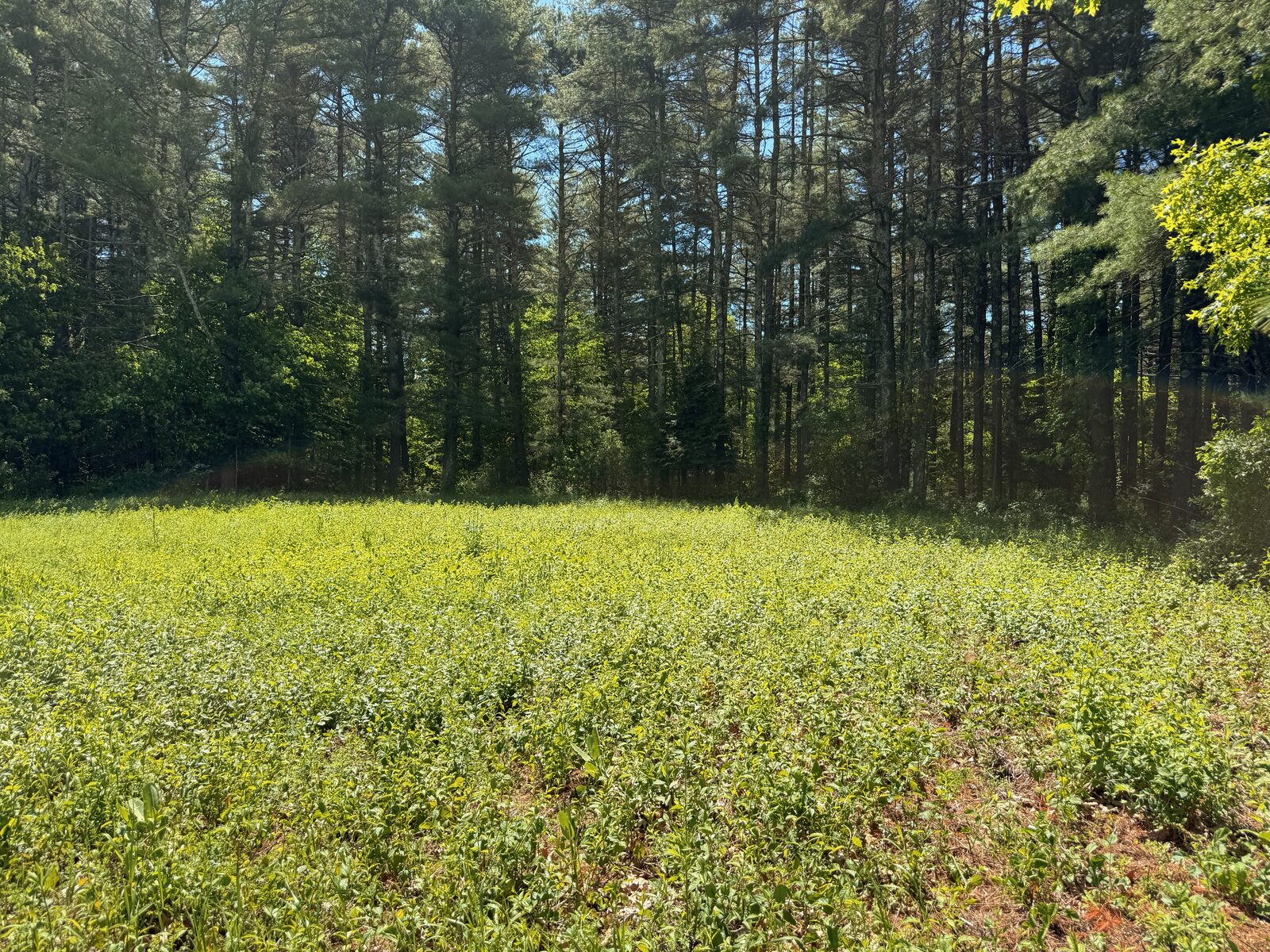
The park is mostly open wetland and meadow in a shallow valley between low wooded hills. I hiked in roughly a third of a mile — short of the half-mile required for Pack Mule — but the operating position was the main reason I kept walking. The natural choice would have been somewhere down in the valley, but every spot I looked at felt like it was sitting in a bowl. I kept going up the hill instead and found a good edge-of-treeline position at the top, where the field opens up and the trees have real height.
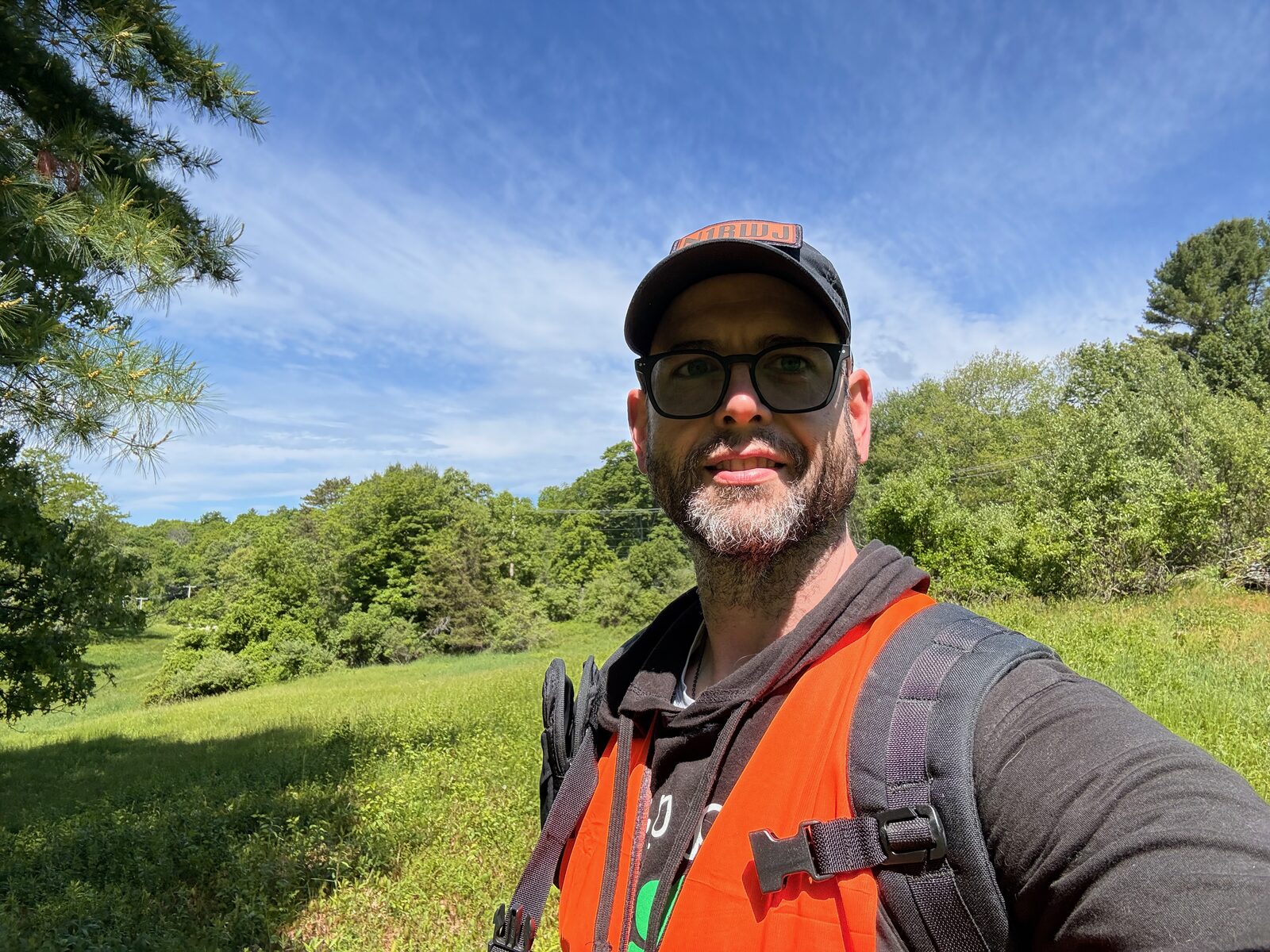
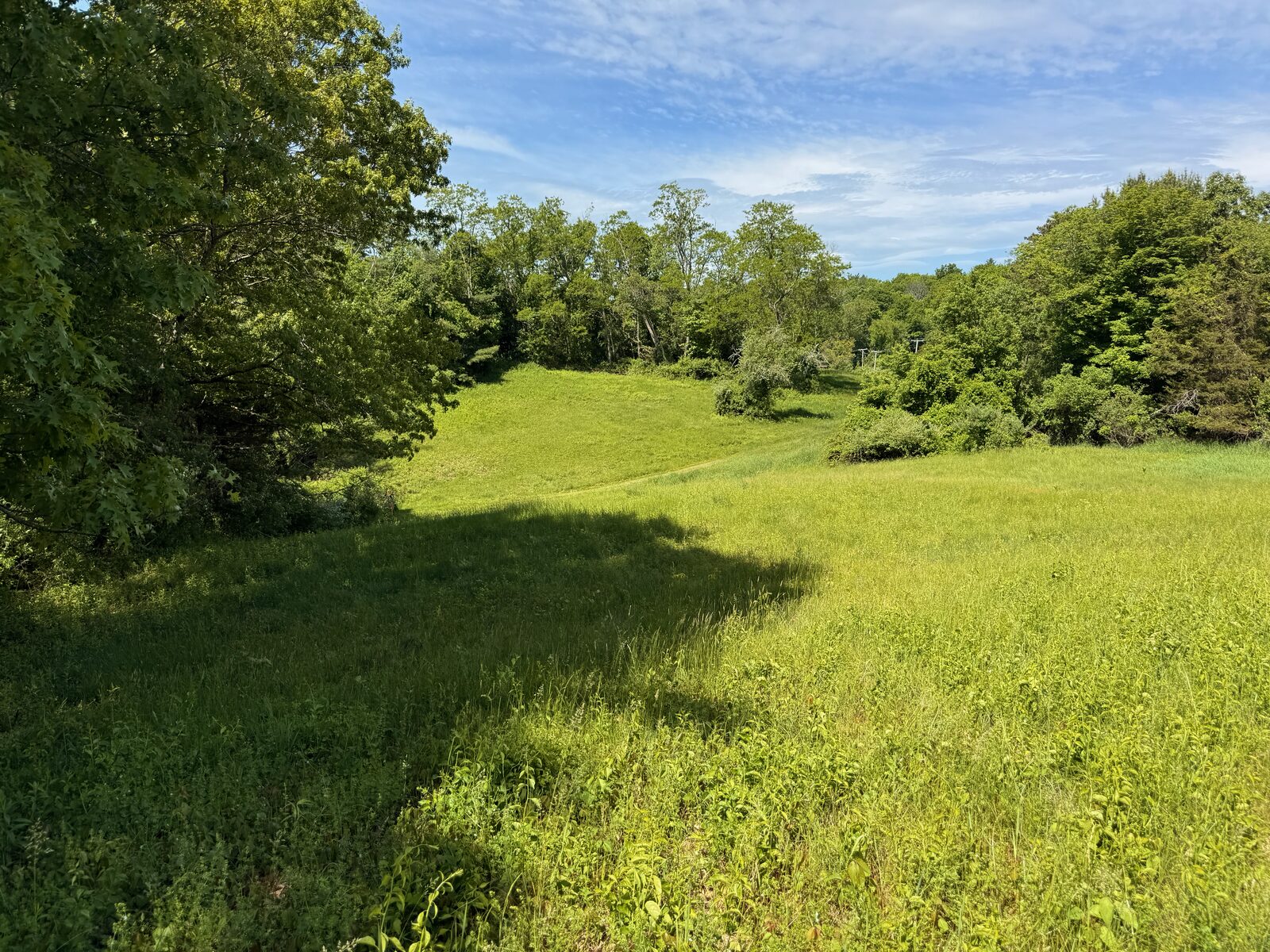
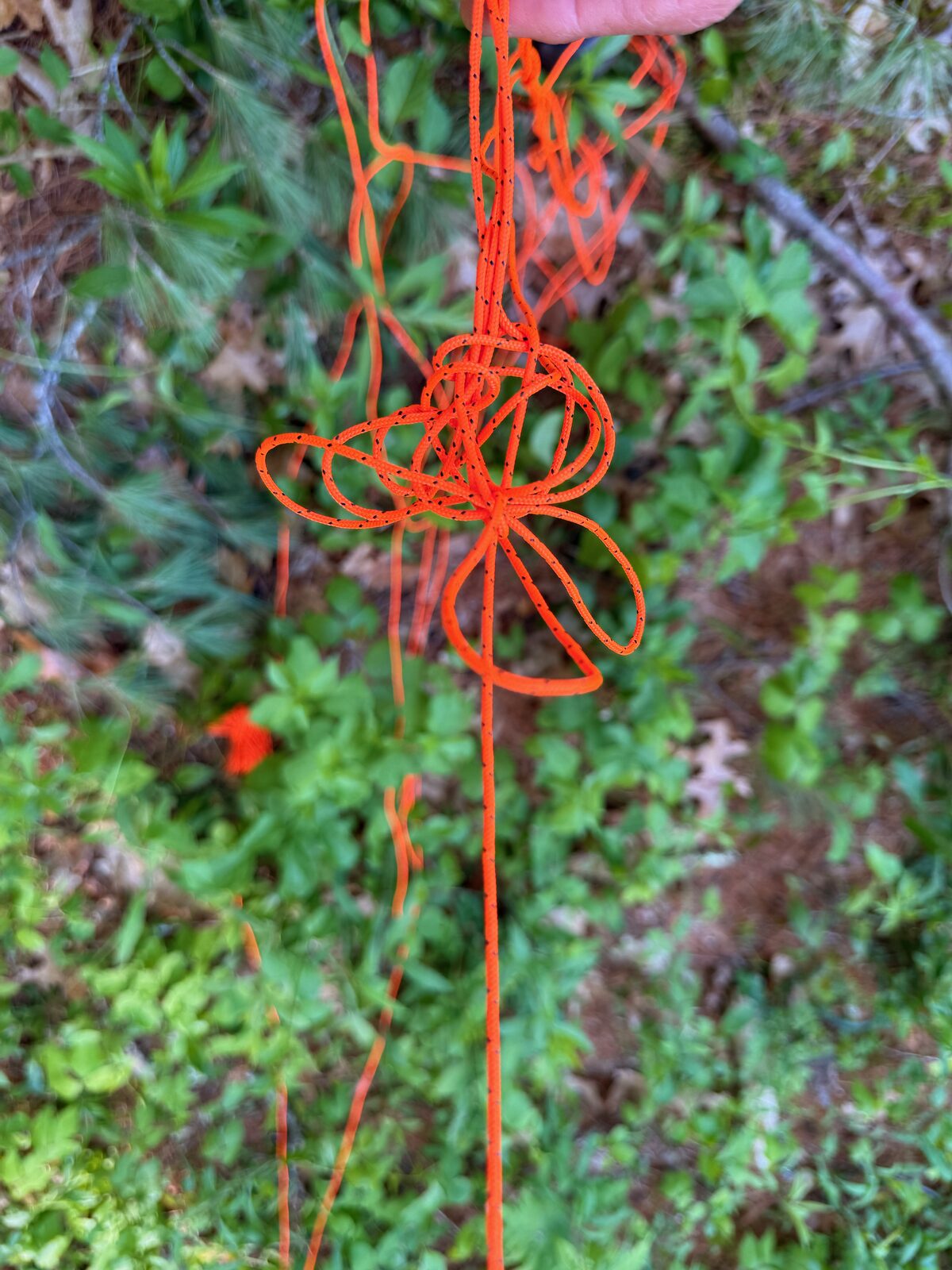
The throw line went to the first branch I aimed at, roughly 30 feet up — the best throw I have made. The problem came right after. The weight cleared the limb cleanly, but the line had tangled inside the bag on the way up, so the whole bag was hanging elevated off the limb instead of paying out. I had to untangle it on the fly while hauling everything into position. Still, the branch was exactly right, and once the wire was up the rest of the setup took only a few minutes more.
I ran 25 feet of RG-316 back from the antenna to the camping chair, plugged in, and let the KX2’s internal tuner match the Rybakov. It locked on fast — noticeably quicker than the KX3. I started on 40 meters and made four contacts, then moved to 30 and picked up five more. The best run was 20 meters — ten contacts from 14:00 to 14:16 UTC, including VO1AW in Newfoundland. Brian hunts me constantly — I hear “VO” in a pileup and just autocomplete at this point. Picked him right out.
The RBN spots confirmed I was getting out well across all three bands. I did try to hunt N1BS, who was activating another RI park at the same time, but he could not hear me. Still — for the smallest state in the country, Rhode Island has a surprisingly active POTA scene.
The KX2 was excellent. The internal speaker is noticeably better than the KX3’s — though my KX3’s speaker may be damaged, so I’ll reserve final judgment. The KXPD2 paddle is also a step up from the KXPD3 on the KX3: better feel, cleaner action. The ATU locks on fast. Running on the internal battery was a revelation — just the radio, the coax, and the key, with no separate battery pack or power wires to manage. The whole station felt genuinely simpler. The KX2 also has a built-in Ah usage meter, which is a nice touch — this activation came in around 0.475 Ah.
What worked
- Hiking past the bowl to find a real elevated operating spot paid off for propagation and for the antenna height.
- First-throw throw-line accuracy continues to improve — hit the right branch first try at 30 feet.
- The KX2 internal ATU matched the Rybakov quickly and held across all three bands.
- 20 meters was the right band to finish on; the run came together fast once I moved there.
To adjust next time
- Repack the throw line bag after each use so it pays out cleanly. The tangle was avoidable.
- A third of a mile short of Pack Mule qualification. Worth planning the route to the half-mile mark next time.