Note
Memorial Day Rhode Island POTA Rove
A Memorial Day POTA rove through Rhode Island: five stops, six park references, 64 CW contacts, and a few useful lessons.
Unfamiliar with some of these terms?
POTA — Parks on the Air — an amateur radio program where licensed operators make contacts from designated public lands (national parks, state parks, wildlife refuges, and similar areas). Each location has a reference number. To activate a park, you log at least 10 contacts from within its boundaries. Hunters are operators who contact activators from home.
Rove — A single outing that activates multiple parks in sequence. Set up, make the required contacts, pack down, drive to the next park, repeat.
Contact map
N1RWJ Rhode Island Rove
US-7719 / US-6983 / US-7865 / US-0515 / US-7518 + US-2871 - 64 QSOs - May 25, 2026
64 QSOs
Memorial Day turned into a five-stop Rhode Island POTA rove: six park references, 64 CW contacts, and a pretty good reminder that a small radio setup can cover a lot of ground if I keep moving.
The radio for the day was the Elecraft KX3. Most of the activations were simple: set up, get the contacts, pack down, and drive to the next spot. A few were not simple at all. That is usually where the useful notes come from.
Misquamicut State Beach, US-7719
I started at Misquamicut State Beach and set up directly on the sand. The beach was cloudy, overcast, and loud, but the weather was doing me a favor. On a clear Memorial Day this would have been a very different place to operate.
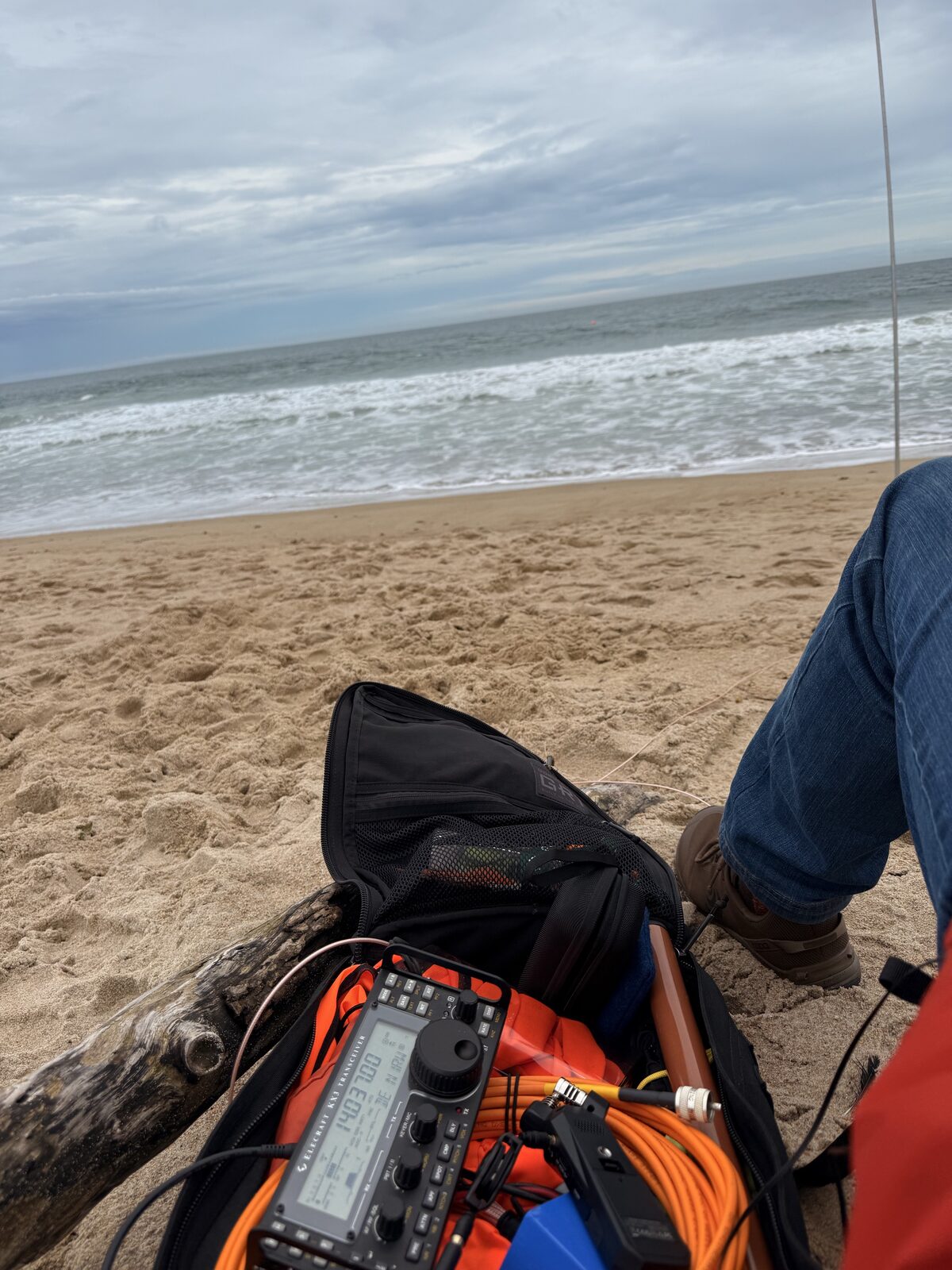
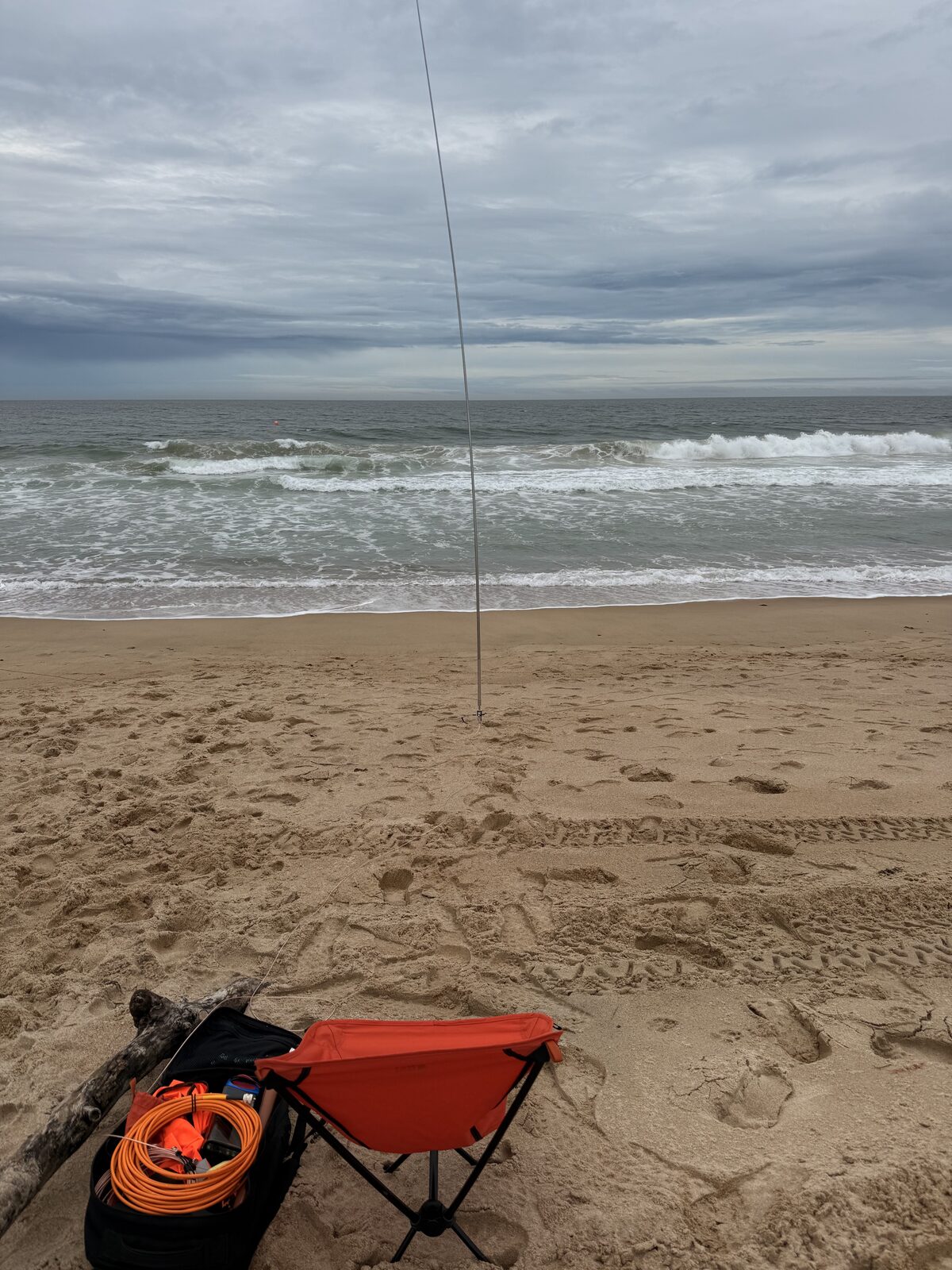
I used the KX3 with the REZ Scout, the REZ Compact 17-foot whip, and the K8CES Zippy key. Setup and teardown were each about 10 minutes, and I logged 15 CW contacts between 16:56 and 17:39 UTC.
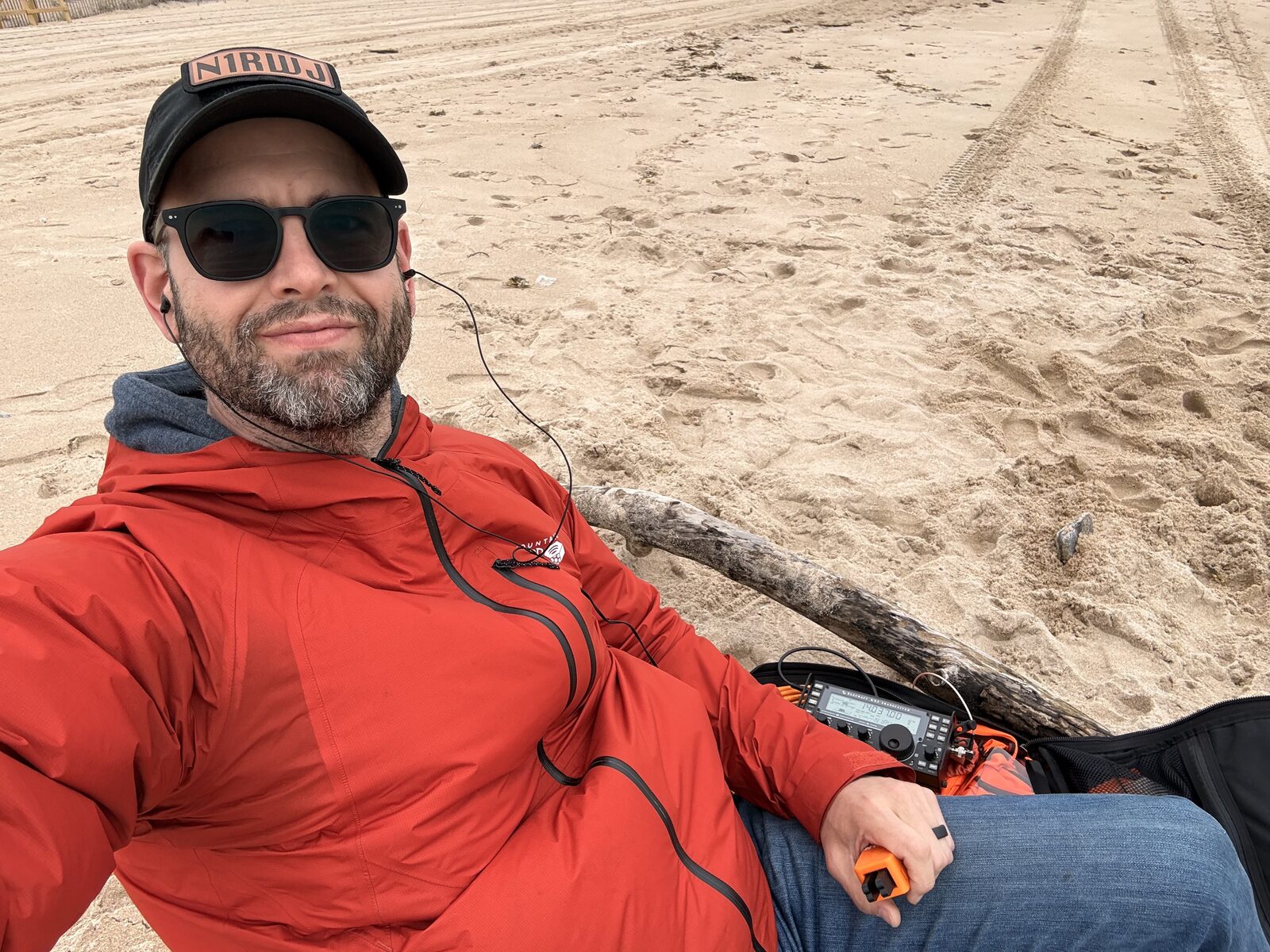
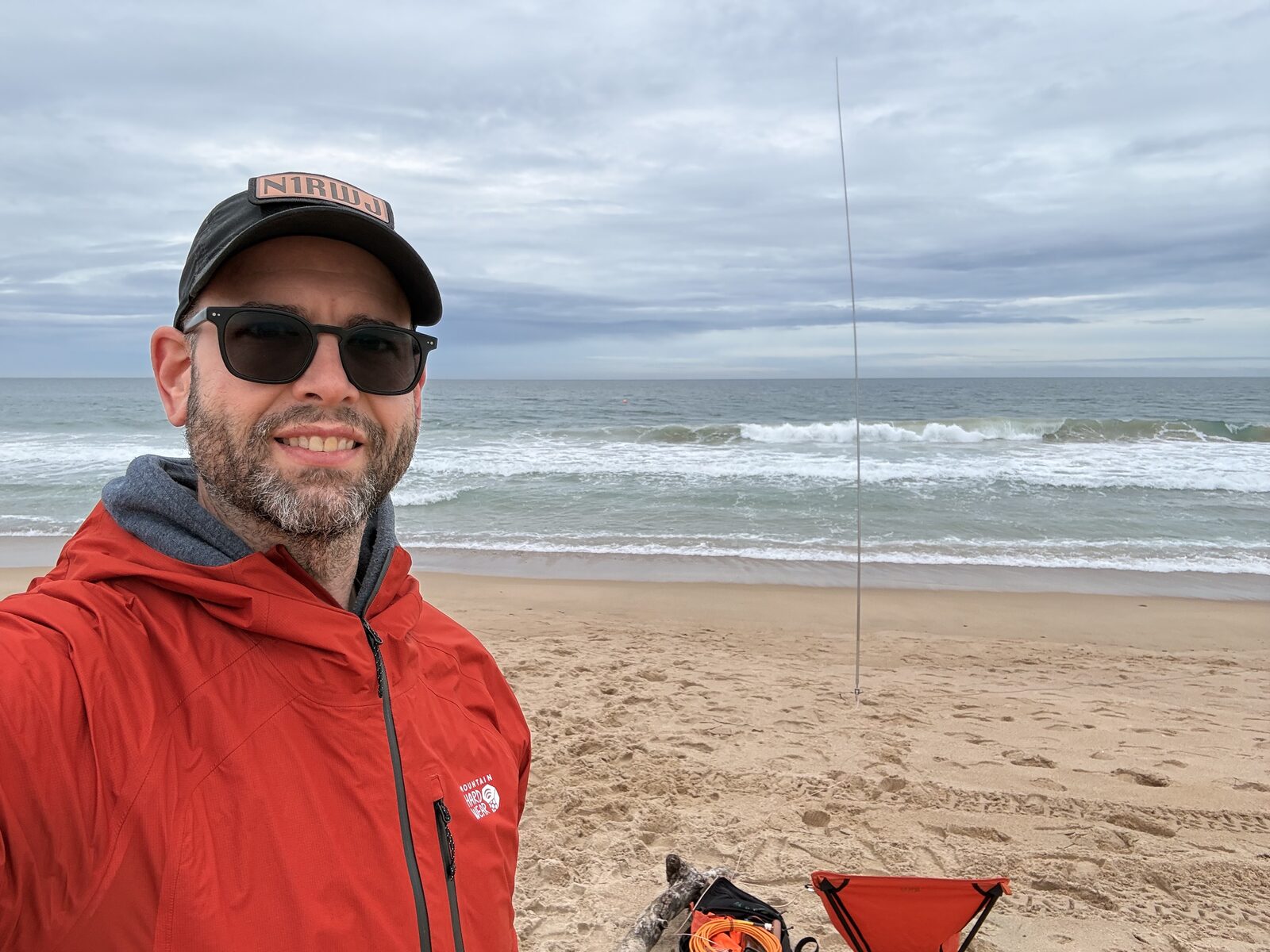
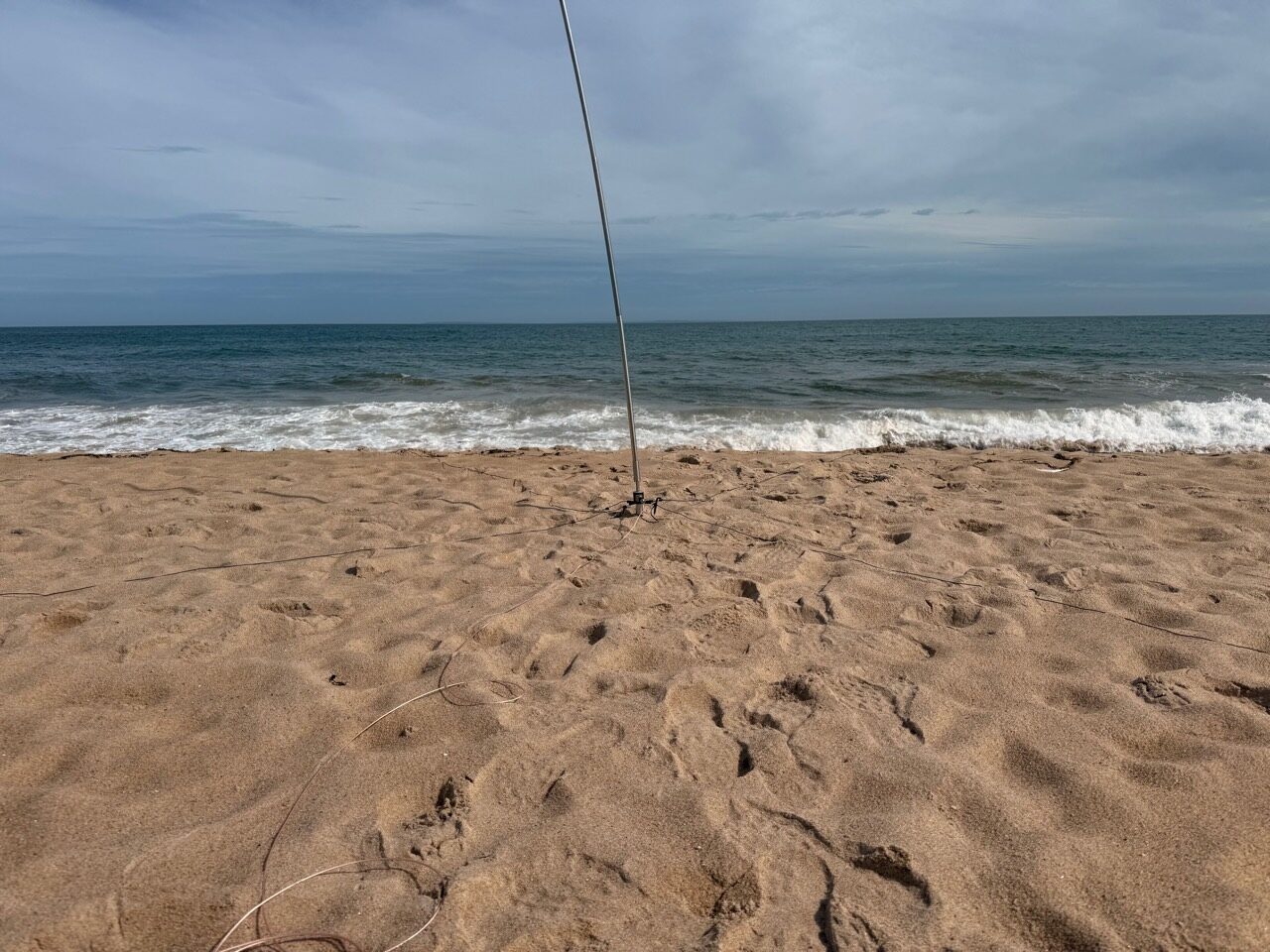
The whip went straight into the sand near the waterline, with the counterpoise running down toward the surf. Nothing about it was elegant, but it was fast, compact, and good enough to get the first activation done.
Woody Hill Wildlife Management Area, US-6983
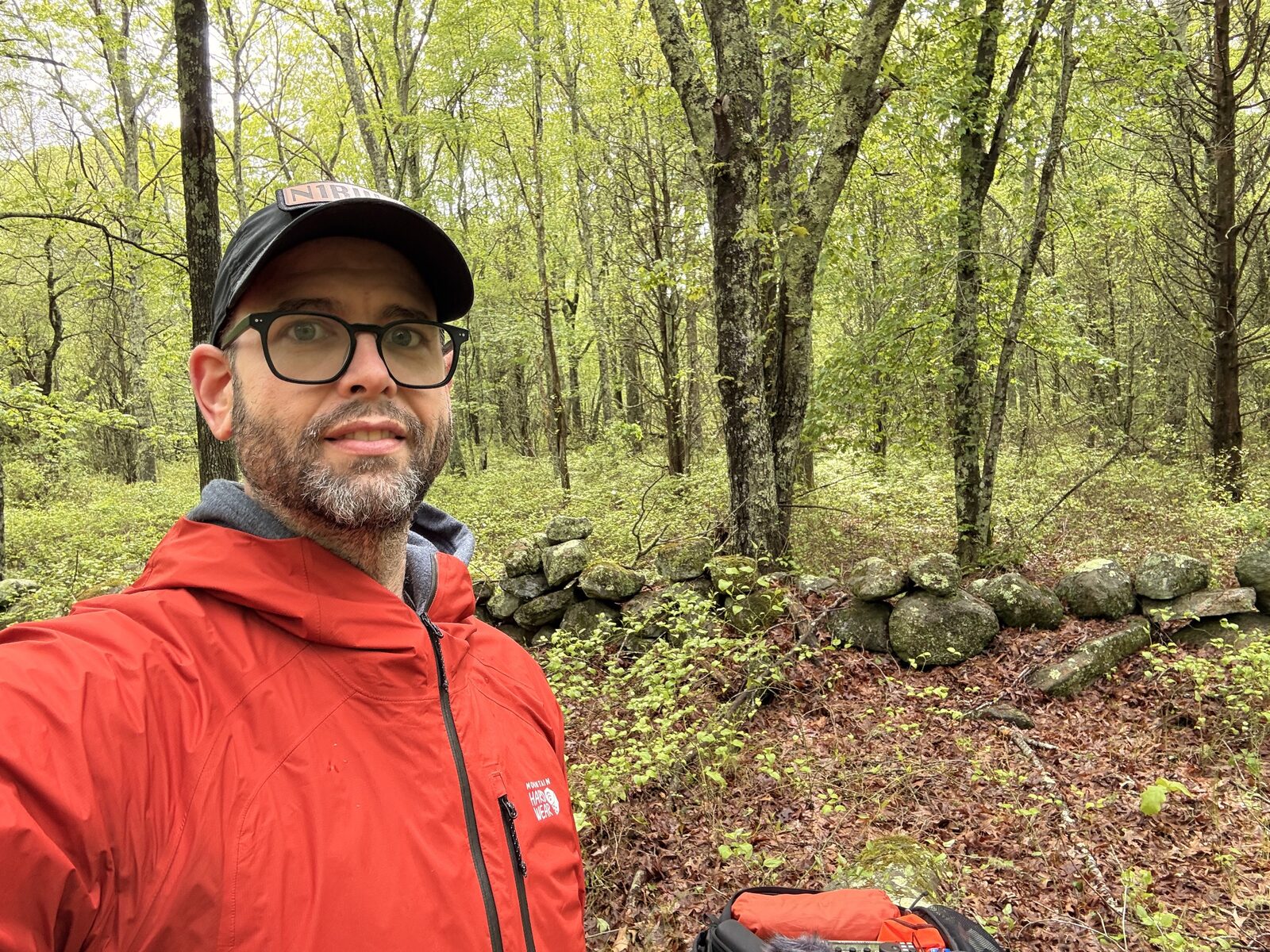
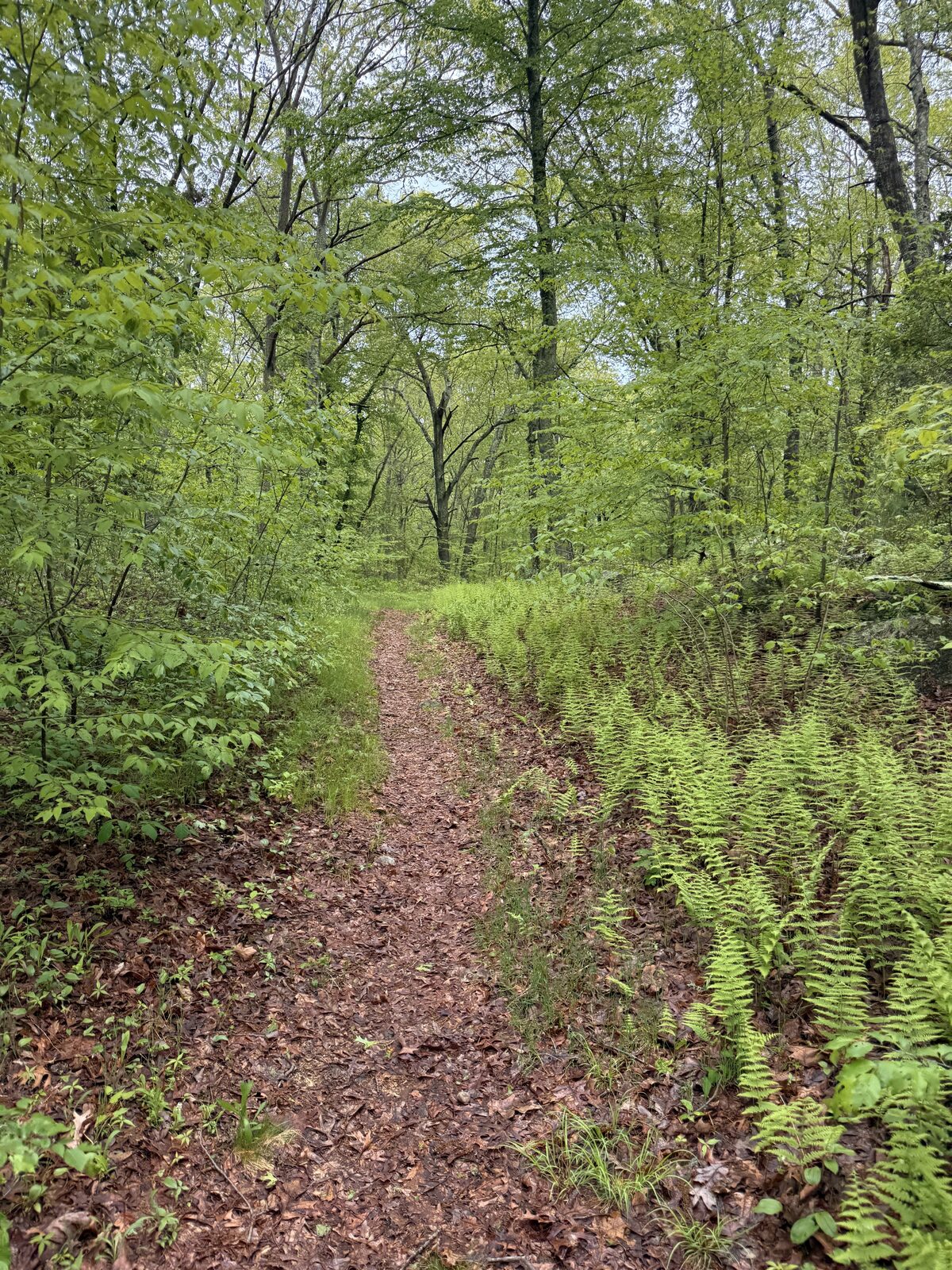
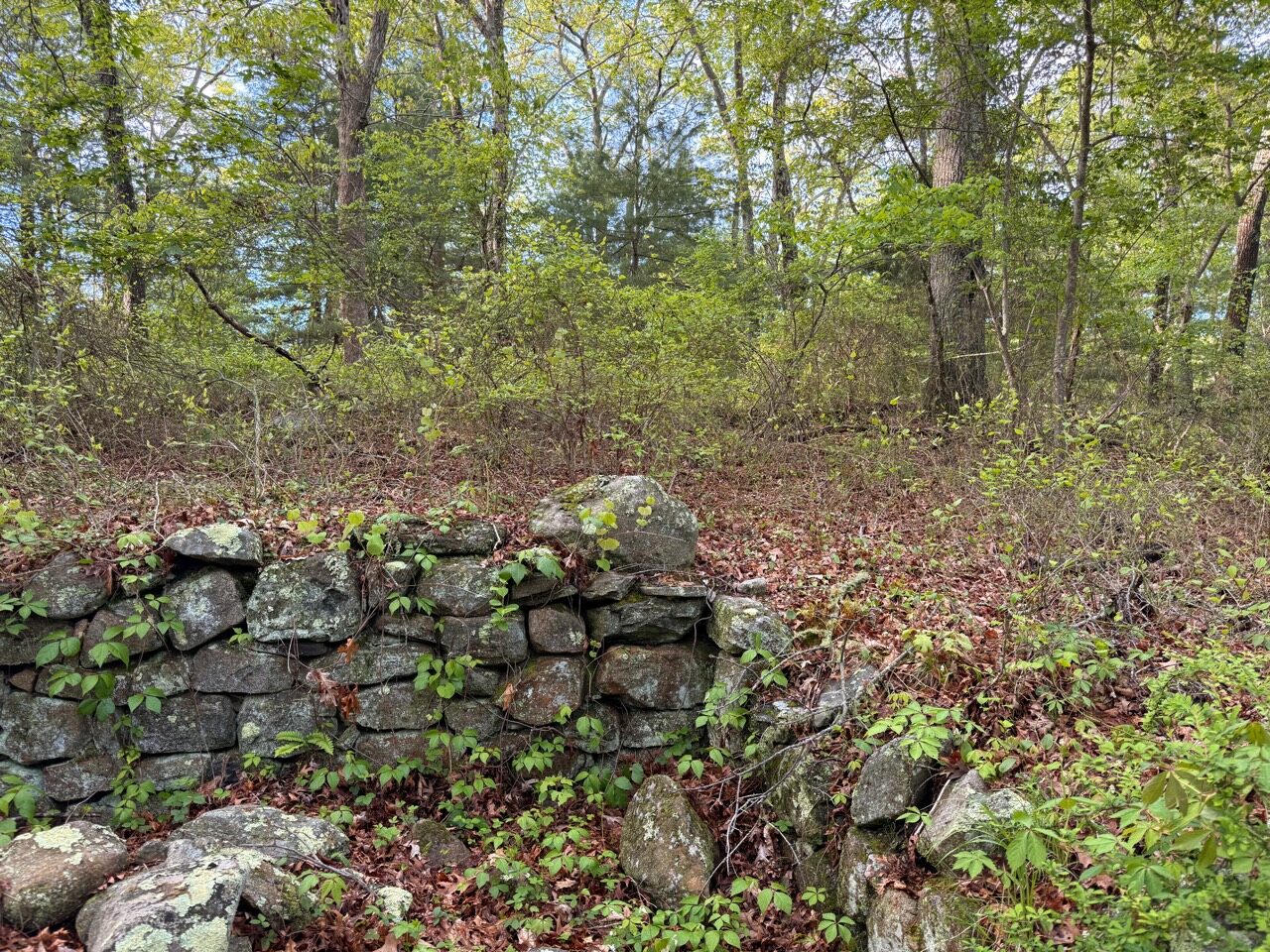
The second stop felt like a different day. Misquamicut was surf and sand; Woody Hill was wet leaves, green woods, a narrow trail, and an old stone wall nearby.
I used the KX3 with the KJ6ER Challenger and stayed on 20 meters. I logged 11 contacts from 18:51 to 19:20 UTC. The whole stop was quick: about 40 minutes including setup and teardown.
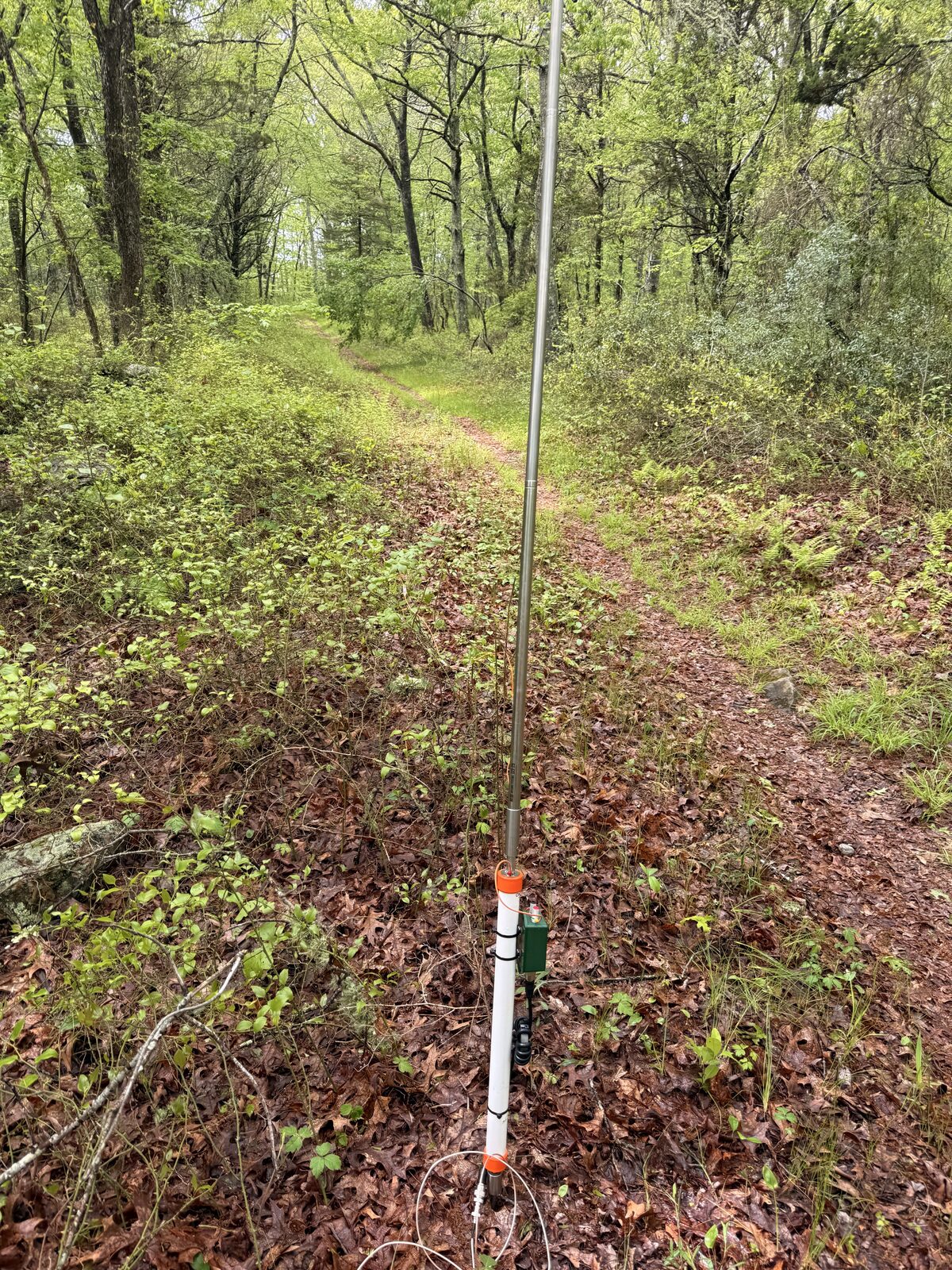
The Challenger was a good fit for this kind of stop. It went up quickly, did not need much room, and kept the activation from turning into a project.
East State Beach, US-7865
East State Beach brought me back to the water. By then the sun had come out and the day had turned beautiful.
I made 15 contacts on 20 meters from 20:15 to 20:51 UTC. I used the KX3, the REZ Scout, the REZ 25-foot whip, and the Palm Radio Pico paddle. At the time, I thought I had set up the usual REZ Rybakov setup. During teardown I realized I had not.
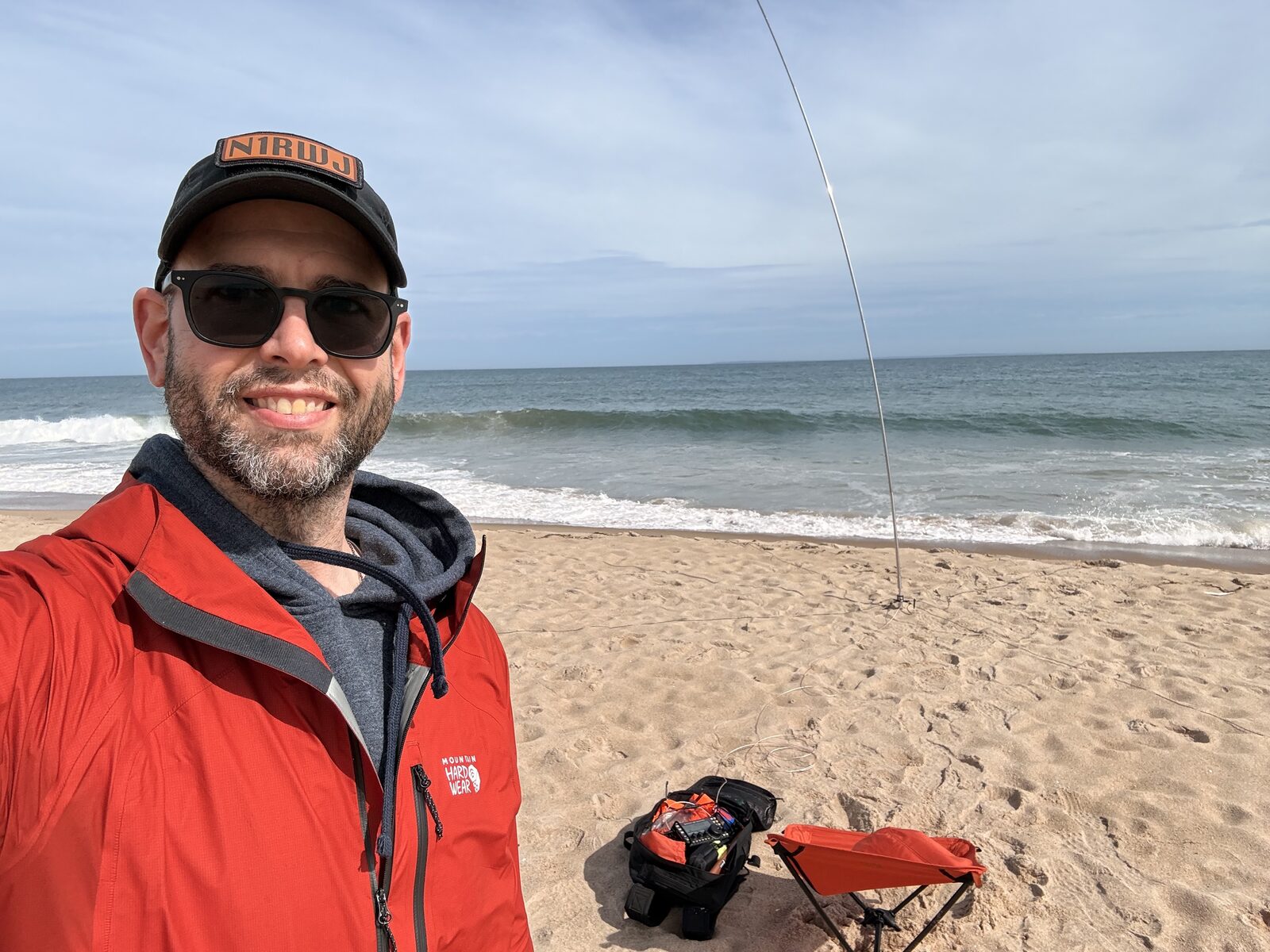
What I actually used was just the 25-foot whip with four 33-foot ground radials, leaving the KX3 to deal with the mismatch. The KX3 tuner handled it without complaint. I would not have planned it that way, but it worked, and it is worth remembering.
Ninigret National Wildlife Refuge, US-0515
Ninigret was the fast one. I used the KX3 with the KJ6ER Challenger off-center-fed dipole and the Modern Morse Nameless key. All 11 contacts were on 20 meters, logged between 21:37 and 21:58 UTC.
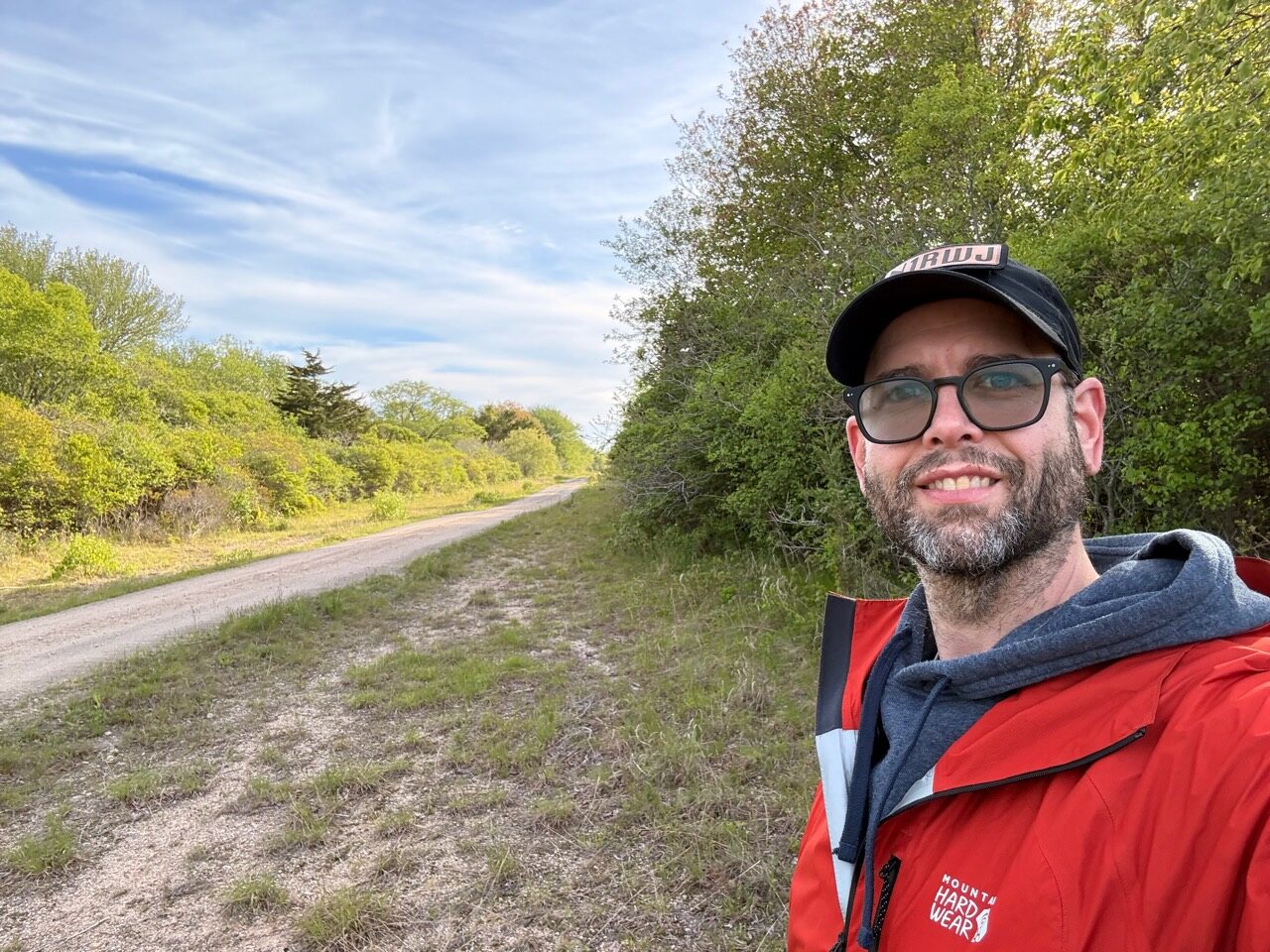
The logistics were as clean as they get on a rove: about five minutes to set up, about five minutes to tear down, and then I was back at the car. At that point I still had enough daylight and momentum to try one more stop.
Kimball Wildlife Refuge, US-7518 / Burlingame State Park, US-2871
The last stop was a twofer, and it was the one that made me work for it. I parked at Kettle Pond Visitor Center and hiked in. The trail was easy and well marked, but it was still a hike-in activation after several earlier stops.
I used the KX3 with the KJ6ER Challenger off-center-fed dipole in 20-meter mode. I started with the Palm Radio Pico paddles, but after the first contact I started getting a stuck dit. I could not send anything with multiple dits reliably, so I swapped keys in the middle of a contact and sent something like, “sorry, I broke the key.” I hope that made sense on the other end.
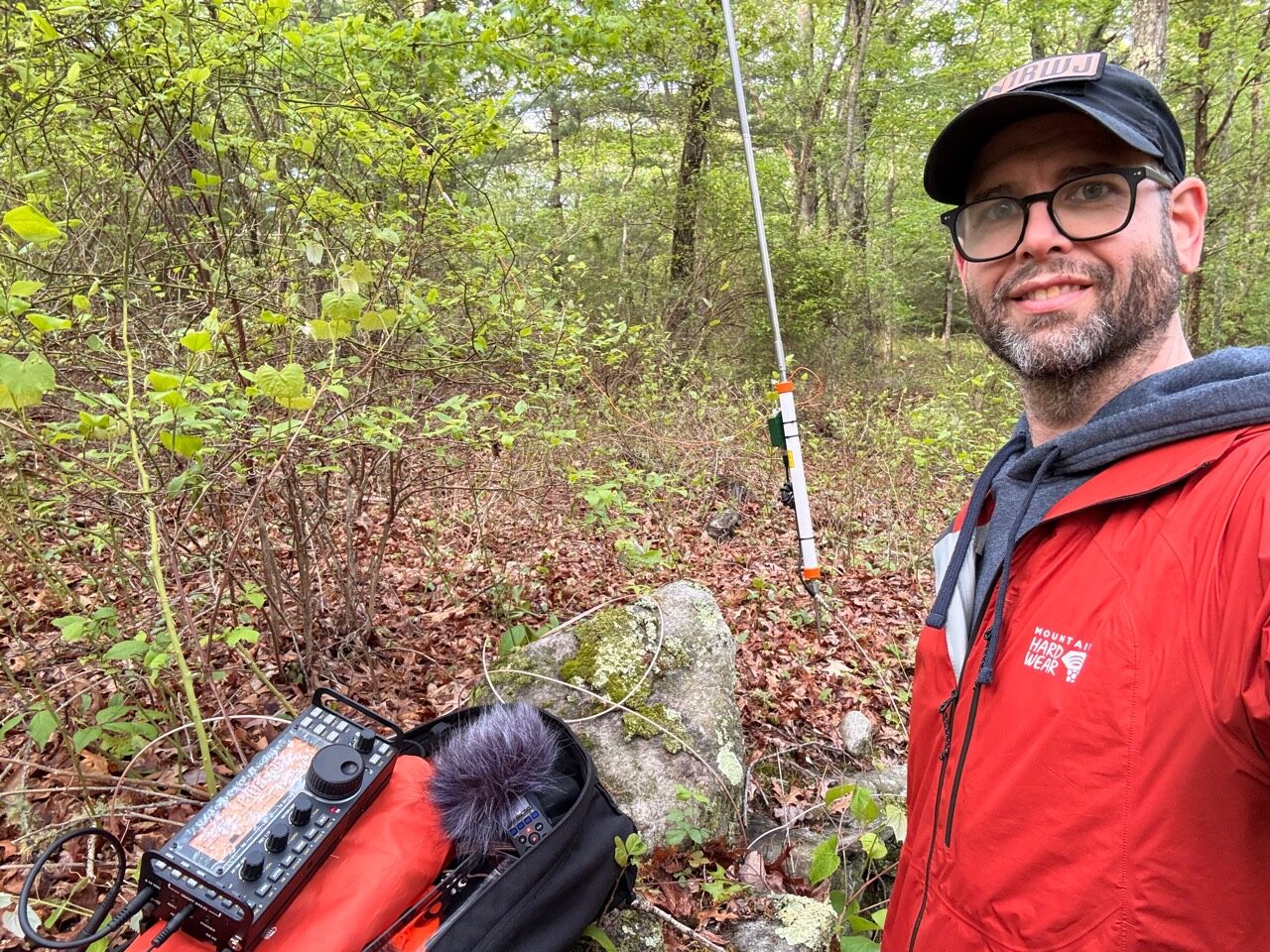
The K8CES Zippy paddle saved that activation. Once I switched keys, the next contacts came pretty easily. Then another station landed directly on my frequency while working the western U.S. For a few minutes the reports were confusing: some callers were answering me, and some were answering him. I moved up a couple of kilohertz and carried on.
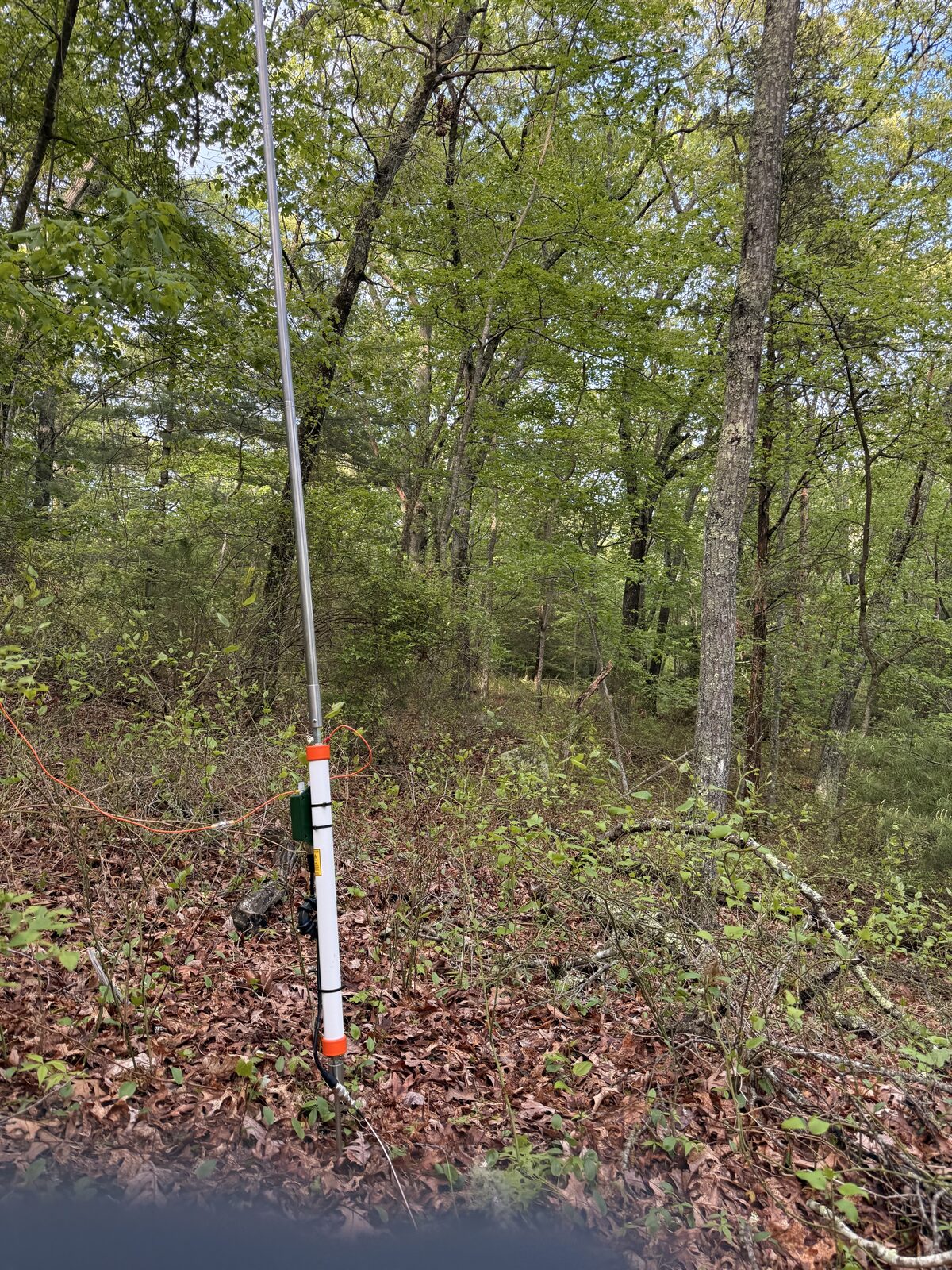
The bigger problem came after about eight contacts. I had been running 5 watts from a 3 Ah Bioenno LiFePO4 battery, the same battery I had used on a six-park rove two days earlier. I had not charged it after that trip. The KX3 shut off in the middle of the activation, so I turned the power down to 2 watts and hoped there was enough left to finish.
There was. The last few contacts were at 2 watts, and the reports were still good. Ohio and Tennessee were still reachable from the woods in Rhode Island. I finished with 12 contacts from 22:28 to 23:06 UTC and got both park references in the log.
Afterward
The day ended at 64 contacts across six park references: US-7719, US-6983, US-7865, US-0515, US-7518, and US-2871.
The lessons are simple enough. Charge the battery before a rove. Carry a backup key. Do not assume the matching network is installed just because the antenna looks familiar. And keep moving, because even the messy stops can still make the log.